Chemical-resistant gloves
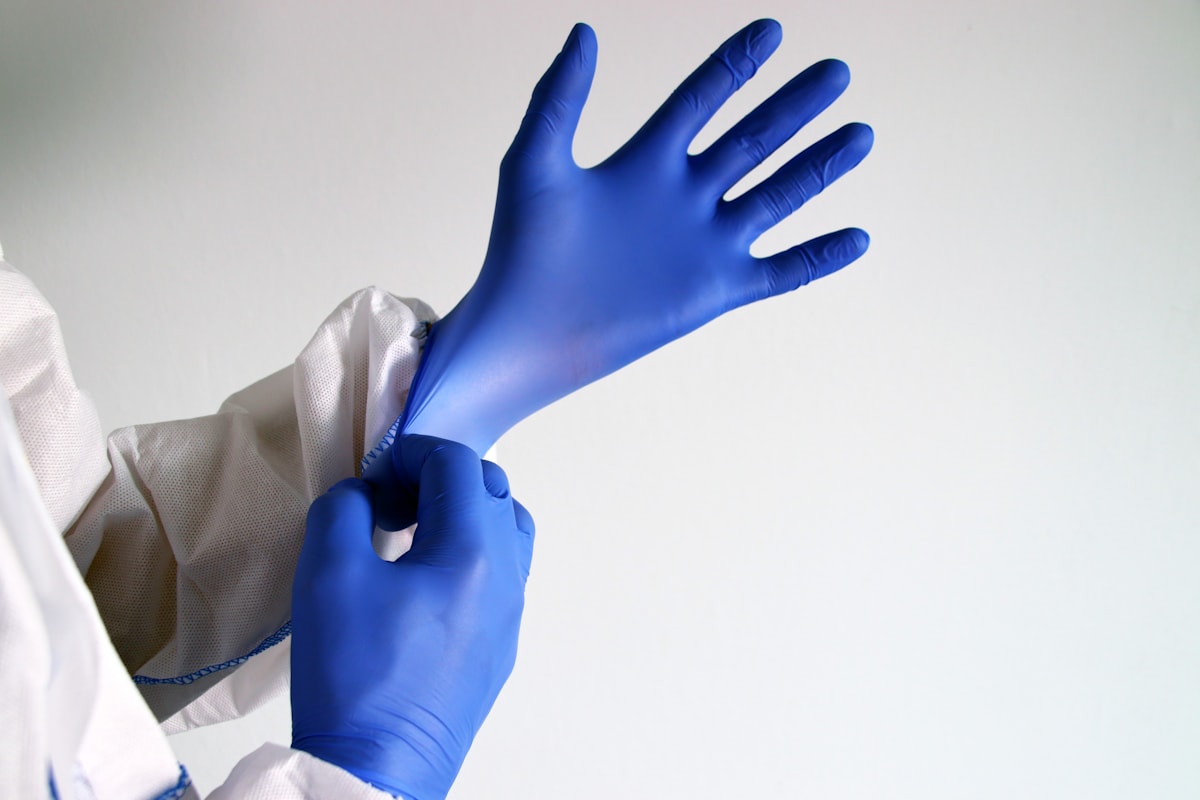
Chemical gloves fail quietly. A glove that looks fine can still let a solvent through. ThisHPC Gloves guide covers polymer matchups, thickness, and when a disposable is the wrong tool.
Rule one: the chemical list comes first
Start from the safety data sheet (SDS) for every product on the bench. Note concentration, temperature, and whether contact is splash, immersion, or vapor only. Then check the glove maker's chemical resistance chart for that exact polymer and thickness. Generic "chemical resistant" labels are not enough.
Common polymers and where they fit
| Polymer | Often used for | Watch-outs |
|---|---|---|
| Nitrile | Oils, greases, many hydrocarbons, lab splash | Weak against some ketones and chlorinated solvents |
| Neoprene | Acids, caustics, alcohols, many refrigerants | Can swell in aromatic solvents |
| Butyl | Ketones, esters, gas and vapor barrier tasks | Poor for aliphatic and aromatic hydrocarbons |
| PVC | Acids, bases, alcohols, some water-based chemicals | Limited solvent resistance; can stiffen in cold |
| Viton / fluoroelastomer | Aggressive solvents and aromatics in specialty work | Costly; still check the chart per chemical |
Disposable nitrile has limits
Thin exam-style nitrile is fine for light splash and clean tasks when the chart supports it. It is a poor choice for immersion, long dwell time, or unknown mixed solvents. Double-gloving does not turn a 4 mil disposable into a heavy chemical glove. If the job needs minutes of contact, move to a supported chemical glove with a published breakthrough time.
Selection checklist
- List chemicals, concentrations, and contact type (splash vs immersion).
- Pull the manufacturer's resistance chart for candidate polymers.
- Choose cuff length long enough to meet the sleeve or suit interface.
- Confirm grip needs: wet lab glassware differs from oily parts washing.
- Size for comfort using the size chart. Sweat and poor fit lead people to pull gloves off mid-task.
- Set a change schedule. Do not wait for a visible hole after solvent work.
Do not confuse cut ratings with chemical ratings
A high ANSI cut level says nothing about solvent breakthrough. Some jobs need a chemical glove under or instead of a cut liner. For pure cut risk without liquids, use the cut-resistant guide. For heat and sparks, see welding gloves.
Where to verify a chemical matchup
This is the one topic where a general guide runs out of road fastest. When the SDS and the glove chart disagree, or neither mentions your mixture, take it to the people who set the test methods and the duty of care:
- NIOSH (National Institute for Occupational Safety and Health): Chemical hazard data and guidance on protective clothing selection, useful when the SDS is thin on glove advice.
- OSHA personal protective equipment: The employer duty to assess chemical contact and select PPE that actually covers it.
- CEN and CENELEC: EN ISO 374, the European standard behind the chemical and micro-organism pictograms on glove packaging.
- International Organization for Standardization (ISO): The ISO side of the same 374 series, including the permeation test that produces a breakthrough time.